
The Role of Data Analytics in Supply Chain Efficiency
In the fast-paced world of healthcare logistics, data analytics plays a pivotal role in enhancing supply chain efficiency. By leveraging data-driven insights, healthcare supply chain managers can optimize inventory management, improve predictive delivery routing, and enhance real-time data analytics, ultimately leading to better operational efficiency and patient care outcomes.
Understanding the Basics
Data analytics in supply chain management involves the systematic computational analysis of data. According to a study by Gartner, organizations that utilize data analytics in their supply chain processes can see an increase in operational efficiency by approximately 10-15%. This improvement is largely due to the ability to forecast demand accurately and reduce waste.
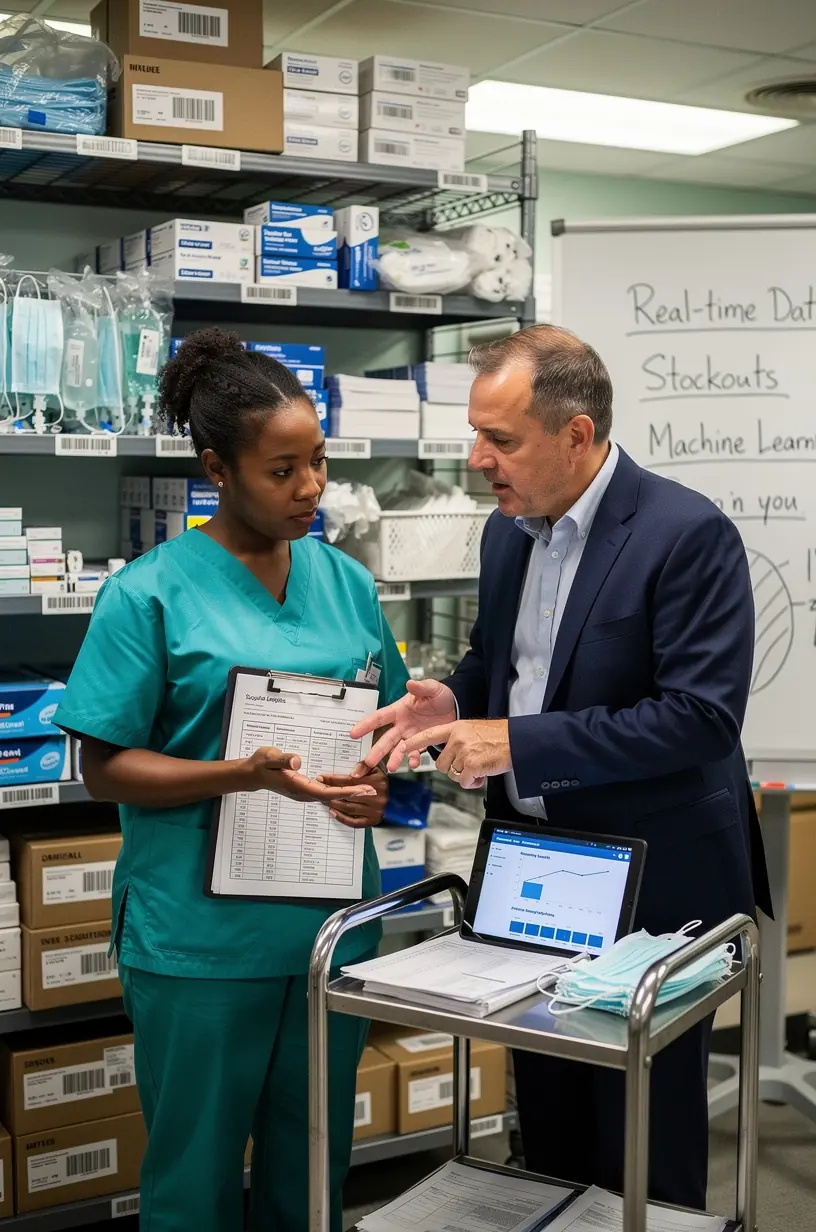
"Data-driven decision-making is essential for modern supply chains, particularly in healthcare, where accuracy can significantly impact patient care." – Supply Chain Expert
Key Benefits of Data Analytics in Supply Chain
- Inventory Optimization: By analyzing historical data and current trends, healthcare supply chain managers can maintain optimal inventory levels. Studies show that effective inventory management can reduce carrying costs by up to 30%.
- Predictive Analytics: Utilizing algorithms to predict future demand can help streamline operations. Research indicates that predictive analytics can improve delivery routing efficiency by 15-20%, allowing for timely restocking and better patient care.
- Real-Time Data Insights: Access to real-time data allows for quick adjustments in the supply chain. This can help mitigate disruptions, which, according to industry standards, is crucial in maintaining service levels during unexpected events.
Challenges and Considerations
While the benefits of data analytics are clear, implementing these solutions is not without challenges. Many healthcare organizations report a significant learning curve associated with new technologies. Typically, it requires a dedicated effort of 2-4 weeks for staff to become proficient in using analytics tools effectively.
Moreover, the success of data analytics initiatives often depends on the quality of the data collected. Organizations must ensure that their data is both accurate and up-to-date to derive meaningful insights. In most cases, this involves ongoing data governance and management practices.
Implementing Data Analytics in Your Supply Chain
For healthcare supply chain managers looking to integrate data analytics into their operations, here are some actionable steps:
- Assess Current Capabilities: Evaluate your existing supply chain processes and identify areas where data analytics can add value.
- Invest in Technology: Consider tools and platforms that facilitate data collection and analysis. Many organizations find that cloud-based solutions offer scalable options.
- Train Your Team: Provide training for staff on data analytics tools. Research suggests that ongoing education can significantly improve the implementation process.
Conclusion
In conclusion, data analytics holds significant potential for enhancing supply chain efficiency in healthcare logistics. By focusing on inventory optimization, predictive analytics, and real-time data insights, healthcare organizations can improve operational efficiency and patient outcomes. However, it’s critical to approach this integration with realistic expectations, acknowledging the time and effort required for successful implementation. Ultimately, embracing data analytics is a step towards a more effective and responsive healthcare supply chain.
Learn More