
Implementing Predictive Delivery Routing in Healthcare
In the rapidly evolving landscape of healthcare logistics, predictive delivery routing stands out as a promising approach to enhance operational efficiency. This article delves into the benefits, methodologies, and practical applications of predictive delivery routing in healthcare settings.
Understanding Predictive Delivery Routing
Predictive delivery routing utilizes advanced algorithms and historical data to forecast and optimize the delivery of medical supplies and equipment. According to research by the Institute for Healthcare Improvement, effective routing can significantly reduce delivery times and improve resource allocation. The principle behind this is the combination of real-time data analytics and machine learning to predict the most efficient routes based on various factors such as traffic patterns, weather conditions, and urgent medical needs.
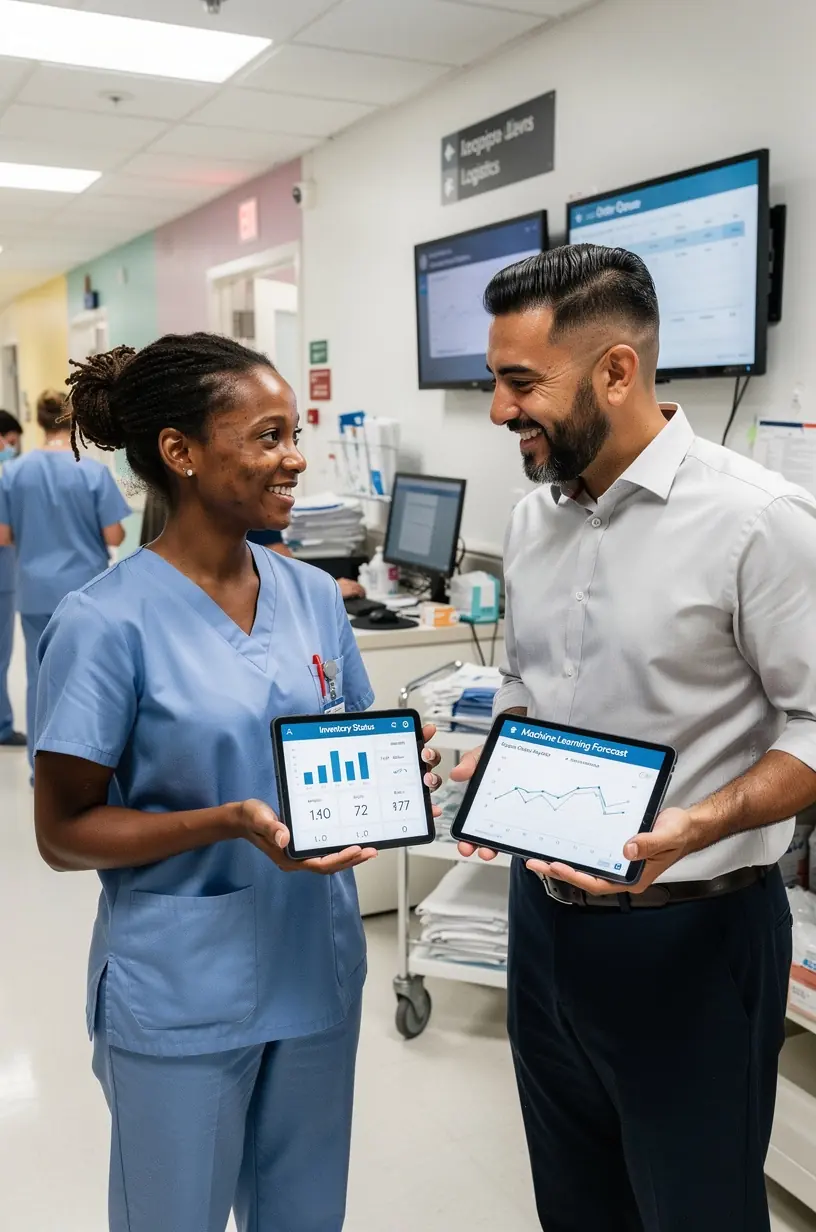
"Predictive analytics can lead to a 25-30% increase in on-time deliveries for healthcare logistics, according to industry experts."
Why Predictive Delivery Routing Matters
Incorporating predictive delivery routing into healthcare logistics can address several critical challenges:
- Improving patient care: Timely delivery of medical supplies can directly impact patient outcomes, ensuring that care providers have the necessary tools when they need them.
- Reducing operational costs: By optimizing delivery routes, healthcare organizations can minimize fuel consumption and labor costs associated with logistics.
- Enhancing inventory management: Better delivery predictions can help organizations maintain optimal inventory levels, reducing waste and improving supply chain resilience.
Implementing Predictive Delivery Routing: A Step-by-Step Approach
Successfully implementing predictive delivery routing involves several key steps:
- Data Collection: Begin with gathering historical data on delivery times, route efficiency, and inventory needs. This data serves as the foundation for predictive modeling.
- Choosing the Right Technology: Select software solutions that integrate machine learning and predictive analytics. Many organizations recommend platforms that are specifically designed for healthcare logistics.
- Model Development: Develop models that can analyze data and generate predictions. This typically involves collaboration with data scientists who understand the healthcare supply chain.
- Testing and Iteration: Implement the predictive model on a small scale initially. Monitor results and iterate based on feedback and performance metrics to refine the model.
- Full-scale Implementation: Once the model proves effective, roll it out across your logistics operations while ensuring all staff are trained to use the new system effectively.
Challenges and Considerations
While predictive delivery routing offers numerous benefits, it also comes with challenges. The initial setup typically takes 2-4 months and requires a commitment to data accuracy and technology integration. Moreover, staff may need training to effectively use new systems. Notably, predictive models work best when they are continuously updated with fresh data, making ongoing data management imperative.
Conclusion
Implementing predictive delivery routing in healthcare can significantly enhance operational efficiency and patient care outcomes. By understanding the methodology behind effective routing and acknowledging the required time investment, healthcare supply chain managers can make informed decisions that drive improvements in logistics. As industry standards evolve, embracing technologies such as predictive analytics may not only optimize inventory management but also reshape the future of healthcare logistics.
Learn More