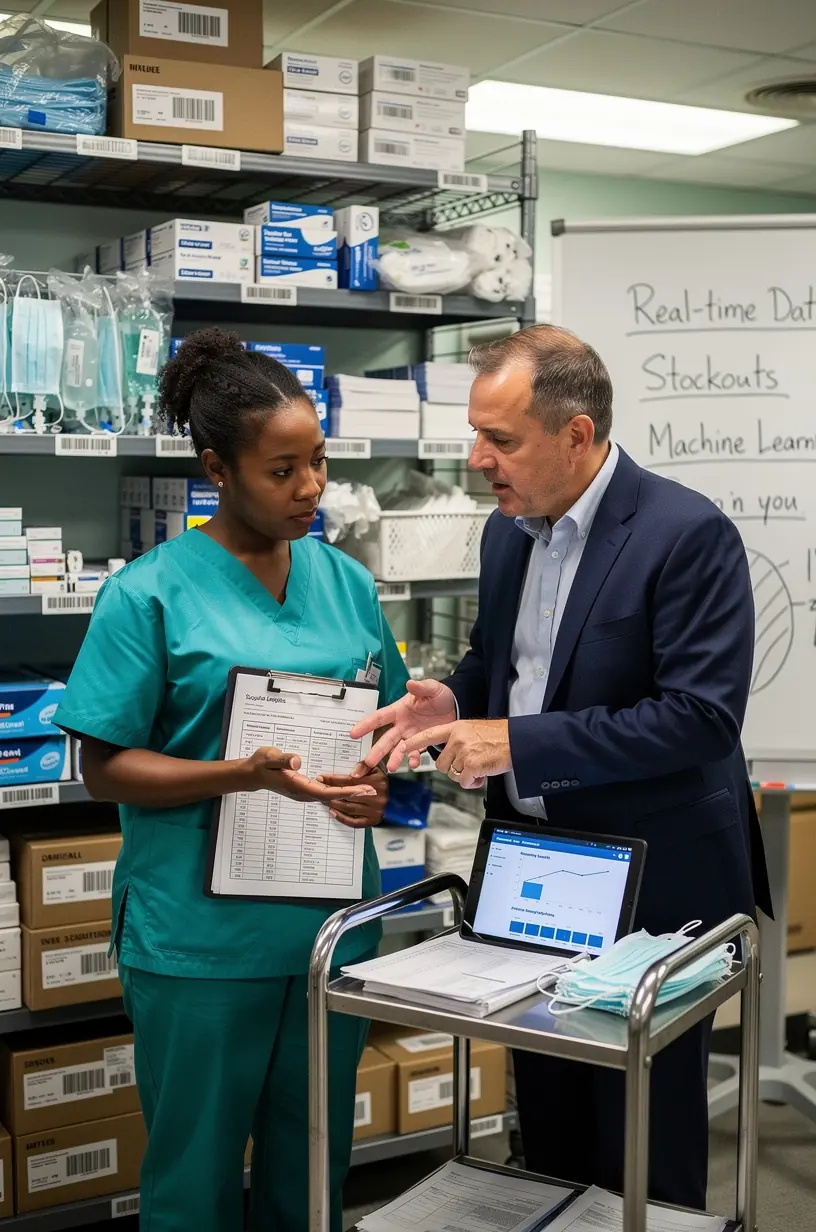
Understanding Inventory Optimization Techniques
Inventory optimization is a critical component in healthcare logistics, influencing both operational efficiency and patient care outcomes. In this article, we will explore various techniques and methodologies that can help healthcare supply chain managers effectively optimize their inventory management practices.
Understanding the Basics
Inventory optimization involves strategically managing inventory levels to meet patient demand while minimizing excess stock. According to recent studies, effective inventory management can reduce holding costs by 20-30%, thereby freeing up resources for other critical areas, such as patient care.

"Proper inventory management not only enhances operational efficiency but also plays a significant role in ensuring the availability of essential medical supplies." - Healthcare Supply Chain Expert
Key Techniques for Optimization
- ABC Analysis: This technique categorizes inventory into three classes (A, B, and C) based on their importance. Class A items are typically high-value and require more rigorous management, while Class C items are lower-value and can be managed with less oversight.
- Just-In-Time (JIT) Inventory: JIT strategies aim to minimize inventory levels by ordering supplies only as they are needed. While this approach can reduce holding costs, it requires a reliable supplier network and may not be suitable for all situations, especially in emergency settings.
- Demand Forecasting: Accurately predicting patient demand is vital. Research indicates that leveraging historical data and predictive analytics can significantly improve forecasting accuracy, helping organizations prepare better for fluctuations in demand.
Implementing Inventory Optimization Techniques
Implementing these techniques involves an initial investment of time and resources. For example, adopting JIT inventory typically requires a commitment of 2-4 weeks for training staff and establishing supplier relationships. Demand forecasting also requires prior knowledge of data analytics and may involve a learning curve for staff unfamiliar with these tools.
Acknowledging Limitations
While these techniques can be effective, they are not a one-size-fits-all solution. For instance, JIT inventory works best when suppliers are reliable and can deliver on short notice. Similarly, demand forecasting can be less accurate in unpredictable situations, such as during a sudden outbreak. Therefore, it is crucial to assess the specific needs of your organization before implementing any new inventory management strategy.
Conclusion
In summary, understanding and integrating inventory optimization techniques can lead to significant improvements in healthcare supply chain management. These strategies can help organizations reduce costs, improve service levels, and ultimately enhance patient care outcomes. However, it is essential to approach these techniques with realistic expectations, acknowledging the effort and time required for effective implementation.